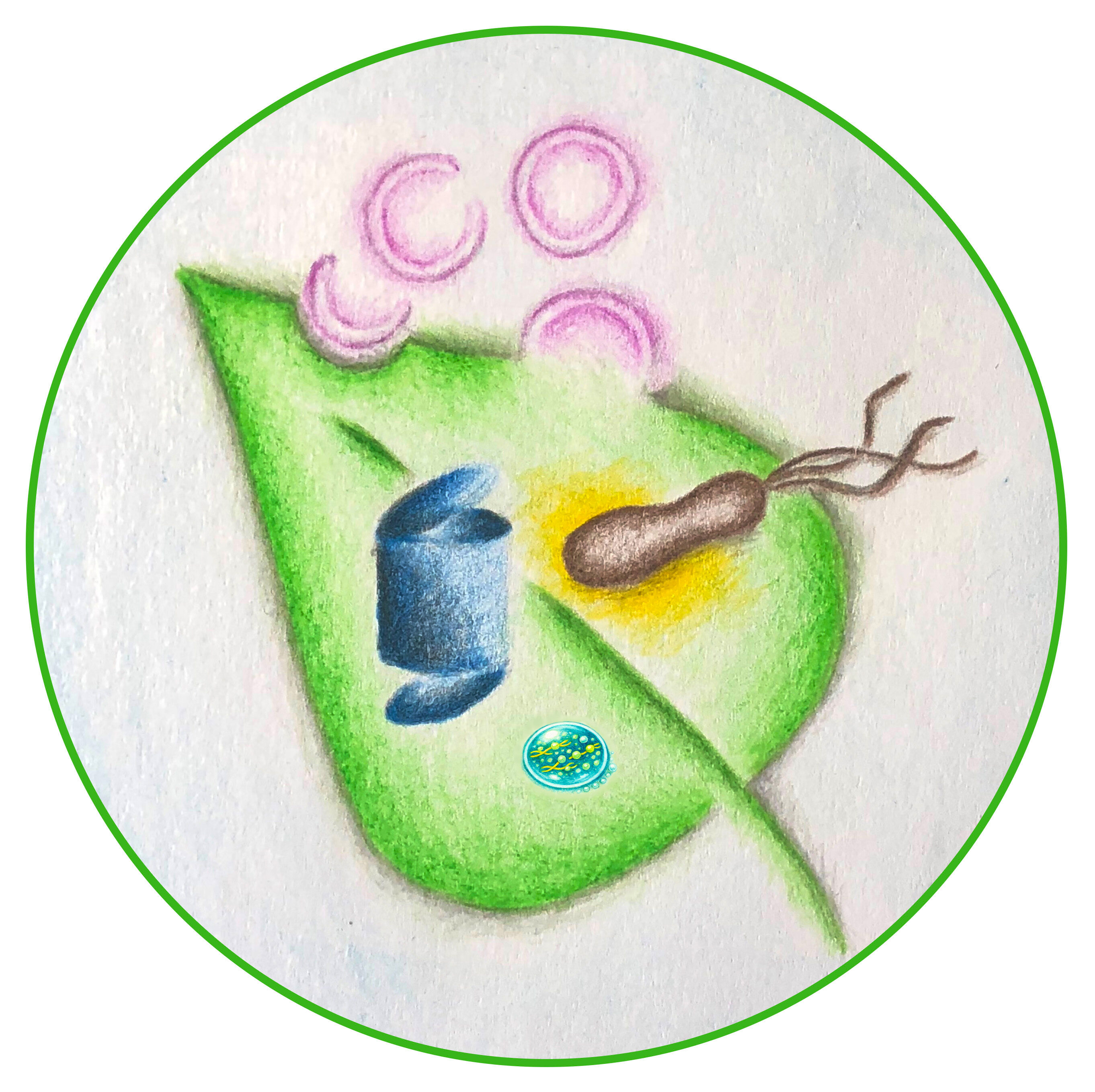
Environmental stresses continuously challenge protein homeostasis (proteostasis) and threaten cellular function by promoting the accumulation of damaged or misfolded proteins. We propose that this proteotoxicity represents a common molecular consequence of both biotic and abiotic stress and is a major determinant of plant performance. Our research aims to understand how plants maintain proteostasis under stress and how these mechanisms can be engineered to generate more resilient crops. We view proteostasis as an integrated regulatory network in which protein synthesis, intracellular trafficking, and protein degradation function as three highly interconnected processes that collectively determine cellular homeostasis. Rather than acting independently, these pathways continuously communicate to regulate protein abundance, quality, localization, and activity during stress.

Our research focuses on three interconnected themes.
Stress-induced regulation of protein synthesis. We investigate how pathogens and environmental cues reprogram translation through RNA metabolism and biomolecular condensates such as processing bodies. By understanding how protein synthesis is selectively controlled during stress, we aim to reveal the earliest mechanisms by which plants adapt while minimizing proteotoxic damage (González-Fuente et al., 2026 PMID 42030395)
Spatial organization of proteostasis. Our recent single-cell RNA sequencing studies demonstrate that proteostasis is organized in a highly cell-type-specific manner. Different tissues deploy distinct protein quality-control pathways that together coordinate immunity and stress adaptation across the whole plant. We seek to understand how translation, trafficking, and degradation are integrated within individual cell types and how communication between tissues orchestrates systemic resilience (Zhu et al., 2026, bioRxiv 2026.04.06.716646).
Proteostasis regulators and protein quality control. We study the molecular mechanisms that maintain protein homeostasis through endoplasmic reticulum quality control, intracellular trafficking, the ubiquitin-proteasome system, selective autophagy, and organelle communication. A major goal is to identify the regulatory nodes that coordinate these pathways and determine how they are manipulated during stress (Langin et al., 2026 PMID 42066754).
Ultimately, our research establishes proteostasis as a unifying frameworkfor understanding plant stress biology. By linking molecular mechanisms across scales—from individual proteins and organelles to single cells, tissues, and whole plants—we seek to uncover general principles of proteostasis regulation and translate these discoveries into innovative strategies for engineering stress-resilient crops.